When Gambling Takes Over: The Hidden Impact on Your Finances and Mental Wellbeing
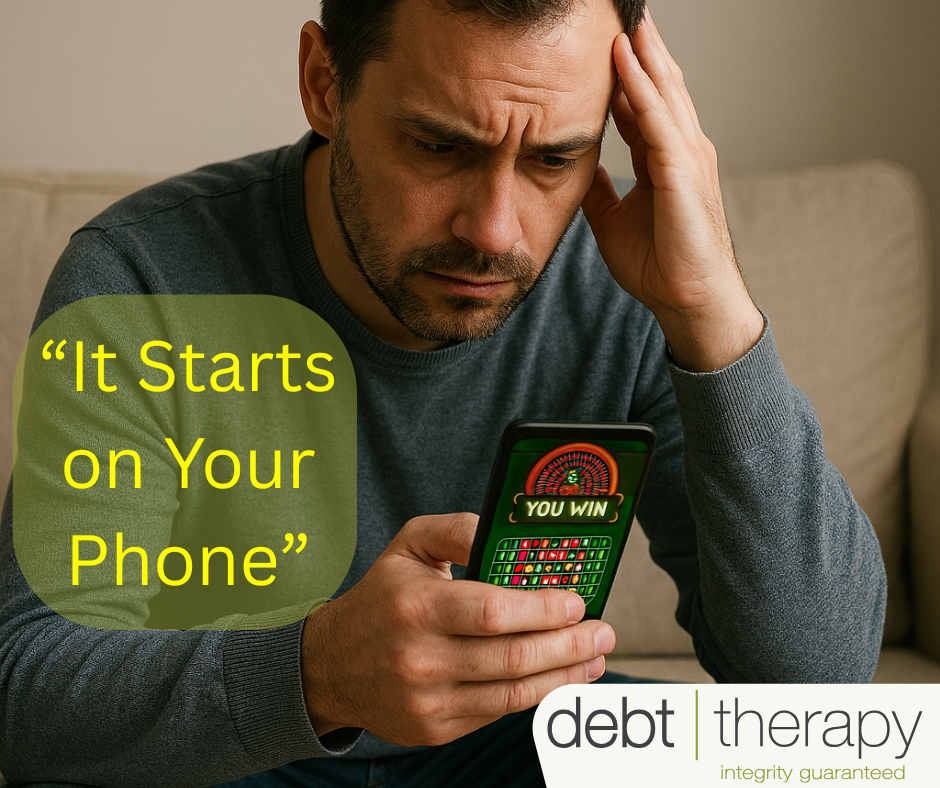
Gambling often starts quietly. A small bet. A quick win. A desperate attempt to make ends meet. For many people, it feels like a harmless escape or a chance to solve financial pressure fast or secure a better tomorrow. But over time, gambling becomes a habit, the consequences can be devastating and can turn into something far more damaging, draining bank accounts, destroying peace of mind and leaving families trapped in cycles of debt and emotional distress.
The reality is this: gambling doesn’t just affect your money, it affects your mental health, your relationships, and your future. This creates a dangerous cycle of over‑indebtedness, where debt grows faster than income and stress becomes constant.
How Gambling Debt Spirals Out of Control
What makes gambling especially dangerous is how quickly control slips away. Losses are often chased with the belief that one more bet will fix everything. Instead, debts grow silently in the background:
- Credit cards maxed out to fund bets
- Personal loans taken to cover losses
- Missed account payments and growing arrears
- Borrowing money just to survive the month
Before long, individuals find themselves trapped, juggling accounts, hiding financial problems and living with constant anxiety. Many people battling gambling debt describe the same feelings:
- Shame and secrecy
- Panic when the phone rings
- Sleepless nights worrying about money
- Fear of legal action or repossession
This emotional pressure often leads to more gambling, creating a self‑reinforcing cycle that feels impossible to escape.
The Mental Health Toll of Gambling Debt
Financial stress and mental health are deeply connected. Gambling‑related debt doesn’t just create money problems, it takes a heavy psychological toll. Common emotional effects include:
- Chronic stress and anxiety
- Depression and hopelessness
- Irritability and mood swings
- Withdrawal from family and friends
- Feelings of failure or worthlessness
Many people suffer in silence because they’re afraid of judgment or believe they’ve “caused this themselves.” But gambling addiction and compulsive behaviour are recognized conditions, often linked to stress, trauma, or financial hardship, not weakness. Recovery starts with understanding that help is not a punishment, it’s protection.
Why Gambling Debt Is So Hard to Break Alone
Unlike other forms of debt, gambling debt is often fuelled by emotional triggers. When pressure builds, gambling feels like an escape or a last‑ditch solution. Access to credit makes this easier and more dangerous. Without boundaries:
- New debt replaces old debt
- Interest snowballs
- Financial stability slips further away
This is why willpower alone is rarely enough. Structure, accountability, and legal protection are essential to stop the cycle.
How Debt Review Helps When Gambling Has Taken Control
Debt Review (also known as debt counselling) offers a legal, structured pathway to regain control especially for people overwhelmed by gambling‑related debt. “What Is Debt Review in South Africa?” (https://debt-therapy.co.za/debt-counselling-services)
1. Immediate Relief From Creditor Pressure
Once you enter debt review, creditors and collection agencies must stop contacting you. No more threatening calls, texts, or legal intimidation. This breathing space is critical assist allows you to focus on healing, planning and recovery without constant fear.
2. One Affordable Repayment Plan
A registered Debt Counsellor:
- Assesses your financial situation
- Consolidates all your qualifying debt
- Negotiates reduced instalments with creditors
- Creates one affordable monthly payment based on what you can realistically afford
This removes the chaos of juggling multiple accounts or digging one hole to cover another.
3. Legal Protection Under the National Credit Act
Debt Review offers legal protection.
As long as you stick to the approved repayment plan:
- Creditors cannot take legal action
- Assets such as your home or vehicle are protected
For many people, this has been the difference between collapse and survival.
4. Prevents Further Gambling‑Driven Borrowing
While under debt review, your credit profile is flagged, meaning no new credit can be taken until rehabilitation. This creates an essential boundary. No access to credit = no borrowing to gamble. It’s not punishment, it’s protection.
5. Financial Counselling and Accountability
Debt review isn’t just about restructuring debt. It includes:
- Budgeting support
- Education around spending habits
- Long‑term money management skills
For individuals recovering from gambling dependency, this accountability plays a crucial role in rebuilding confidence and control.
6. A Real Fresh Start
Once all your debts are settled, you receive a clearance certificate, restoring your credit profile and officially ending the debt review process.
This is not a temporary fix, it’s a structured path toward:
- Financial stability
- Improved mental wellbeing
- A second chance without debt hanging over you
Breaking the Stigma
One of the biggest barriers to recovery is stigma. Many people believe they deserve the stress they’re under or that asking for help means failure. The truth is:
- Millions of people struggle with gambling‑related debt
- Financial pressure can happen to anyone
- Recovery is a sign of responsibility, not weakness
Getting help early can prevent years of damage financially and emotionally.
Take the First Step Toward Control
🌱 In short: If gambling has left you overwhelmed, anxious, and buried in debt, you do not have to face it alone. Debt Review offers:
✅ Legal protection
✅ Reduced, affordable repayments
✅ Freedom from creditor harassment
✅ A clear structure to rebuild
✅ A path to long‑term recovery
✅ Learn better financial habits
✅ Prevent further gambling-driven borrowing
✨ You don’t need luck. You need a plan and we can help you make one. 💚
 Start your free debt assessment: https://debt-therapy.co.za/debt-relief-assessment/
#DebtTherapy #DebtReview #GamblingAwareness #FinancialFreedom #BreakTheCycle #ResponsibleSpending #MoneyMatters #DebtCounselling #OverIndebtedness